In the high-stakes world of the World Wrestling Federation (WWF), reaction time isn’t just a stat—it’s the difference between a clean win and a career-ending injury. Because this is a “No Rules, Unified” environment, a fighter’s reaction style is dictated by their discipline.
Here is a historical breakdown of how different combatants process a split-second opening.
1. The “Counter-Strikers” (Muay Thai & Karate)
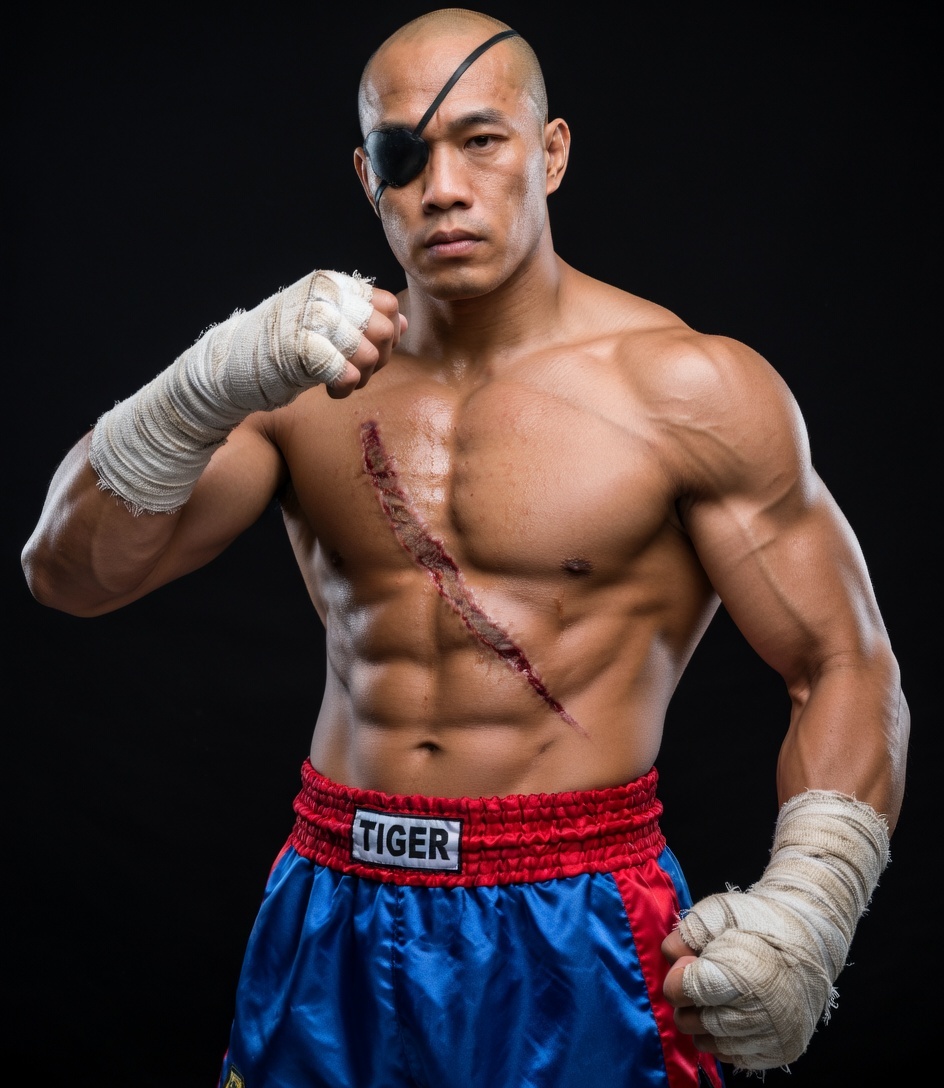
Fighters like Sagat and Ryu operate on a “read-and-destroy” rhythm.
-
The Mechanic: They don’t just react; they bait. Their nervous systems are tuned to the slightest shift in an opponent’s shoulder.
-
The Result: If you throw a lazy jab at Sagat, his reaction isn’t to move away—it’s a simultaneous Tiger Knee to the ribs. It’s a “Hard Reaction” that turns your offense into your own downfall.
2. The “Iron-Chin” Brawlers (Pro Wrestling & Boxing)
In the mid-30s peak of Hulk Hogan or the heavy-hitting Prince Naseem Hamed, the reaction is often “Absorption and Retaliation.”
-
The Mechanic: These fighters often allow a strike to land to find their own opening. Hogan’s legendary “Hulk Up” isn’t theatrical; it’s a physiological adrenaline spike where his reaction to pain becomes a surge of counter-power.
-
The Risk: This “Slow-Burn” reaction works against boxers, but it is incredibly dangerous against a submission specialist like Ted DiBiase, where a single “caught” limb means the end of the fight.
3. The “Environmental” Reactors (Action Stars)
Jackie Chan represents a completely different reaction profile: Spatial Awareness.
-
The Mechanic: While a traditional fighter reacts to the opponent, Chan reacts to the arena. If Andre the Giant lunges, Chan doesn’t just step aside; he uses the momentum to vault off a ring post or grab a nearby chair.
-
The Advantage: It’s “Chaos Theory” in the ring. His reactions are unpredictable because they aren’t bound by traditional stance logic.
4. The “Grappling” Hive-Mind (Aikido & BJJ)
Fighters like Steven Seagal or Royce Gracie have a “Tactile Reaction.”
-
The Mechanic: They don’t react to what they see; they react to what they feel. The moment there is physical contact—a clinch or a grab—their bodies react to the opponent’s center of gravity.
-
The Execution: Seagal’s Aikido relies on “Zero-Latency” redirection. The faster you punch, the faster his reaction uses your own weight to snap a wrist or throw you across the canvas.
Reaction Comparison Table
| Style | Reaction Speed | Primary Goal | Notable Fighter |
| Muay Thai | Blindingly Fast | Counter-Strike | Sagat |
| Power Wrestling | Moderate/Delayed | Power Absorption | Hulk Hogan |
| Aikido | Instantaneous | Redirection | Steven Seagal |
| Boxing | High (Head Movement) | Evasion | Naseem Hamed |
| Kyokushin | High (Explosive) | Precision Blows | Ryu |
The “Indie” Factor
The younger 20-somethings like The Rock and Stone Cold Steve Austin currently have the fastest raw “Twitch” reactions in the federation. However, as Bruno Sammartino (45) often says, “Fast hands are nothing if you react into a trap.” The veterans use experience to “slow down” the younger fighters’ reactions.